
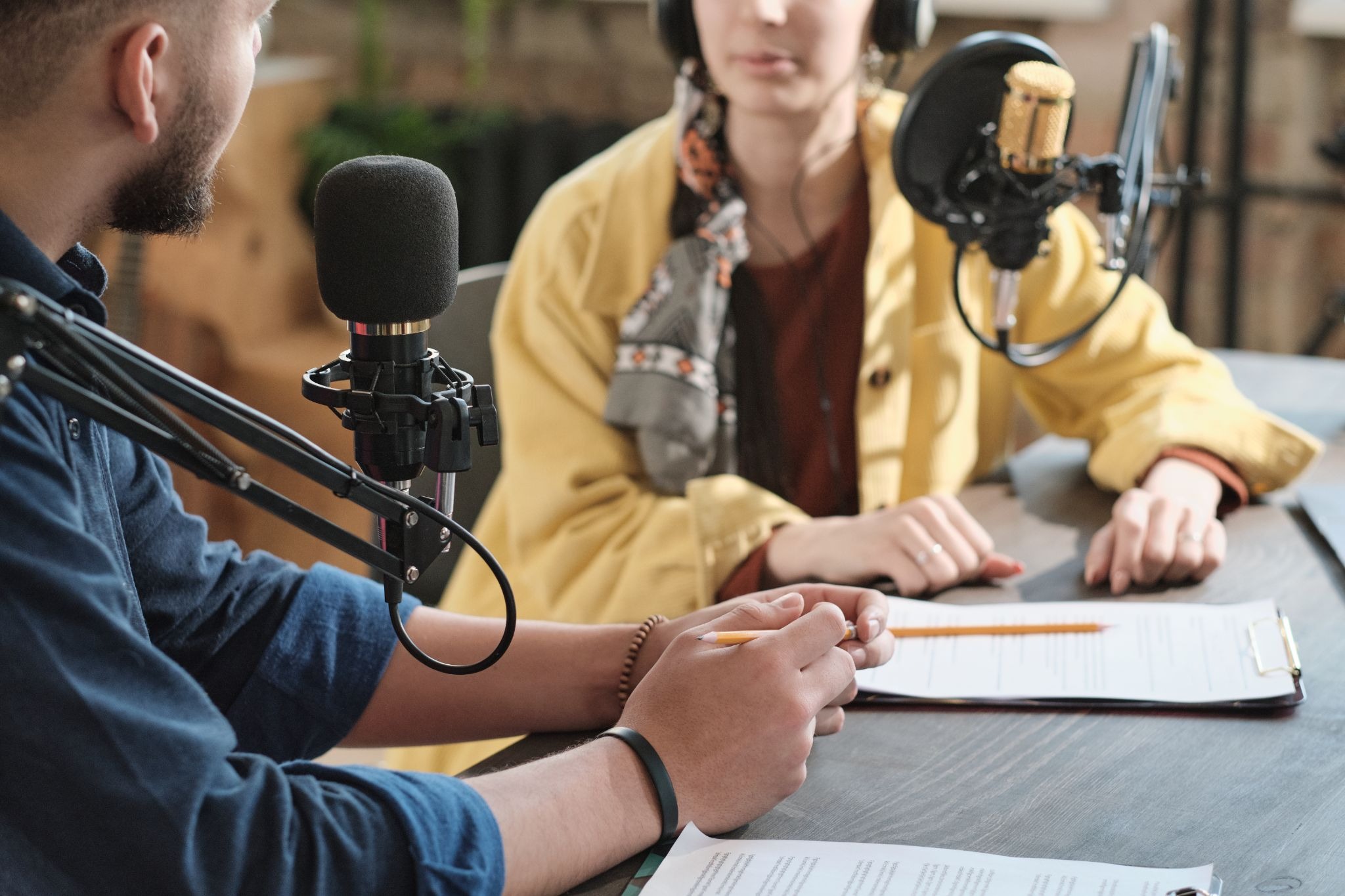
In the fast-paced world of music journalism, the ability to conduct insightful and engaging band interviews is a crucial skill. For journalists, the preparation process can significantly impact the quality of the interview and the final article. Understanding how to approach band interview preparation not only enhances the experience for the journalist but also creates an opportunity to connect with the audience on a deeper level. In this article, we will explore the various steps journalists take to prepare for these interviews, drawing on real-life examples, expert insights, and research-backed data to illustrate the process.
Understanding the Artist
The first step in any band interview preparation is to gather as much information as possible about the artists involved. This stage goes beyond just knowing their latest album or hit single; it requires a comprehensive understanding of their background, influences, and artistic journey. Journalists often start by listening to the band’s discography, reading previous interviews, and exploring their social media presence.
For instance, when journalist Sarah Jones prepared for her interview with the indie band “The Morning Light,” she not only listened to their music but also researched their origins, the evolution of their sound, and their inspirations. She discovered that the band had a unique blend of folk and electronic influences, which allowed her to craft questions that resonated with the band’s identity. This kind of preparation helps journalists create a more engaging dialogue, fostering a connection that goes beyond surface-level questions.
Crafting the Questions
Once journalists have a solid understanding of the artist, the next step is to craft thoughtful and open-ended questions. These questions should encourage the band members to share their stories, experiences, and insights. Instead of asking simple yes-or-no questions, effective journalists aim for queries that prompt deeper discussions.
For example, instead of asking, “Do you like your new album?” a more effective question might be, “What emotions did you want to convey through your latest album, and how did you achieve that?” This approach not only leads to richer conversations but also allows the artist to express their passion and creativity.
Setting the Scene
The environment in which the interview takes place can significantly affect the outcome. Journalists often consider the setting carefully, choosing a location that is comfortable and conducive to conversation. Whether it’s a quiet café, a cozy recording studio, or even backstage at a concert, the right atmosphere can help put the interviewees at ease.
During her interview with pop sensation Mia Roberts, journalist Emma Chen chose to meet in a serene park, allowing for a relaxed atmosphere that encouraged Mia to open up about her creative process. The natural surroundings helped create a genuine dialogue, resulting in an article that captured Mia’s personality and artistic vision.
Researching Current Events
Staying informed about current events, both in the music industry and the world at large, is another vital aspect of band interview preparation. Journalists should be aware of any recent developments related to the band, such as tour announcements, controversies, or charitable initiatives. This context can provide valuable material for discussion during the interview.
For instance, when journalist Mark Thompson interviewed the rock band “Echoes of Time,” he knew they had recently spoken out about mental health awareness in the music industry. By incorporating this topic into his questions, Mark was able to engage the band in a conversation that resonated with their values and connected with their audience.
Practicing Active Listening
Active listening is a crucial skill for journalists during interviews. It involves paying close attention to the artist’s responses and being open to exploring topics that arise organically during the conversation. Journalists who practice active listening can ask follow-up questions that delve deeper into the artist’s thoughts and feelings.
For example, during an interview with the folk duo “Harmonious Waves,” journalist Lisa Green focused on their storytelling approach in songwriting. When one band member mentioned a particularly emotional experience that inspired a song, Lisa seized the opportunity to ask for more details, leading to a heartfelt discussion about vulnerability in music. This not only enriched the article but also created a meaningful connection between the band and their audience.
Embracing Authenticity
In an era where authenticity is highly valued, journalists should strive to create an environment where artists feel comfortable being themselves. This can be achieved by approaching interviews with empathy and respect, allowing the band to share their true selves without fear of judgment.
When journalist Alex Rivera interviewed the experimental band “The Sonic Experiment,” he emphasized the importance of authenticity. He encouraged the band members to share their individual perspectives and experiences, resulting in a multi-faceted portrayal that showcased their uniqueness. By embracing authenticity, journalists can help the audience connect with the artists on a personal level.
Utilizing Technology
In today’s digital age, technology can play a significant role in band interview preparation. Journalists often use various tools and platforms to enhance their research and interview experience. For example, using social media to follow the band allows journalists to stay updated on their activities and engage with fans’ conversations.
Moreover, recording devices are essential for capturing interviews accurately. Most journalists use voice recorders or smartphone apps to ensure they don’t miss any important details. This practice not only helps in accurately quoting the band later but also allows journalists to focus on the conversation rather than frantically taking notes.
Building Rapport
Establishing rapport with the band members can lead to more candid and insightful interviews. Journalists often find common ground with the artists, whether it’s a shared love for certain music genres, experiences in the industry, or even personal anecdotes. This connection can create a more relaxed atmosphere, allowing for a more authentic conversation.
When journalist Rachel Adams interviewed the alternative band “Soundwaves,” she shared a personal story about attending their concert years ago. This anecdote broke the ice and made the band members feel more comfortable, leading to a more engaging and enjoyable interview for both parties.
Following Up
After the interview, the preparation doesn’t end. Journalists often follow up with the band to clarify quotes or gather additional information for their articles. This practice not only ensures accuracy but also shows the artists that the journalist values their input and respects their work.
Additionally, following up can lead to future opportunities for collaboration. Many artists appreciate journalists who take the time to build lasting relationships, which can result in exclusive interviews and deeper insights in the future.
Conclusion
In conclusion, band interview preparation is an intricate process that requires dedication, creativity, and a genuine passion for music. By understanding the artist, crafting thoughtful questions, setting the right scene, staying informed about current events, and embracing authenticity, journalists can create compelling narratives that resonate with readers. The ultimate goal is to foster a connection between the artists and their audience, allowing for a more enriching and meaningful experience for everyone involved. As the music industry continues to evolve, the importance of well-prepared interviews remains a cornerstone of effective music journalism.
FAQs
What should I ask during a band interview?
Focus on open-ended questions that invite the band to share their stories and experiences. Consider asking about their creative process, inspirations, and thoughts on current events in the music industry.
How can I prepare for an interview with a band?
Research the band’s background, discography, and recent news. Craft thoughtful questions that encourage deep discussions, and create a comfortable environment for the interview.
Why is preparation important for band interviews?
Preparation enhances the quality of the interview, fosters genuine connections, and leads to more engaging content for the audience, ultimately resulting in a more impactful article.