
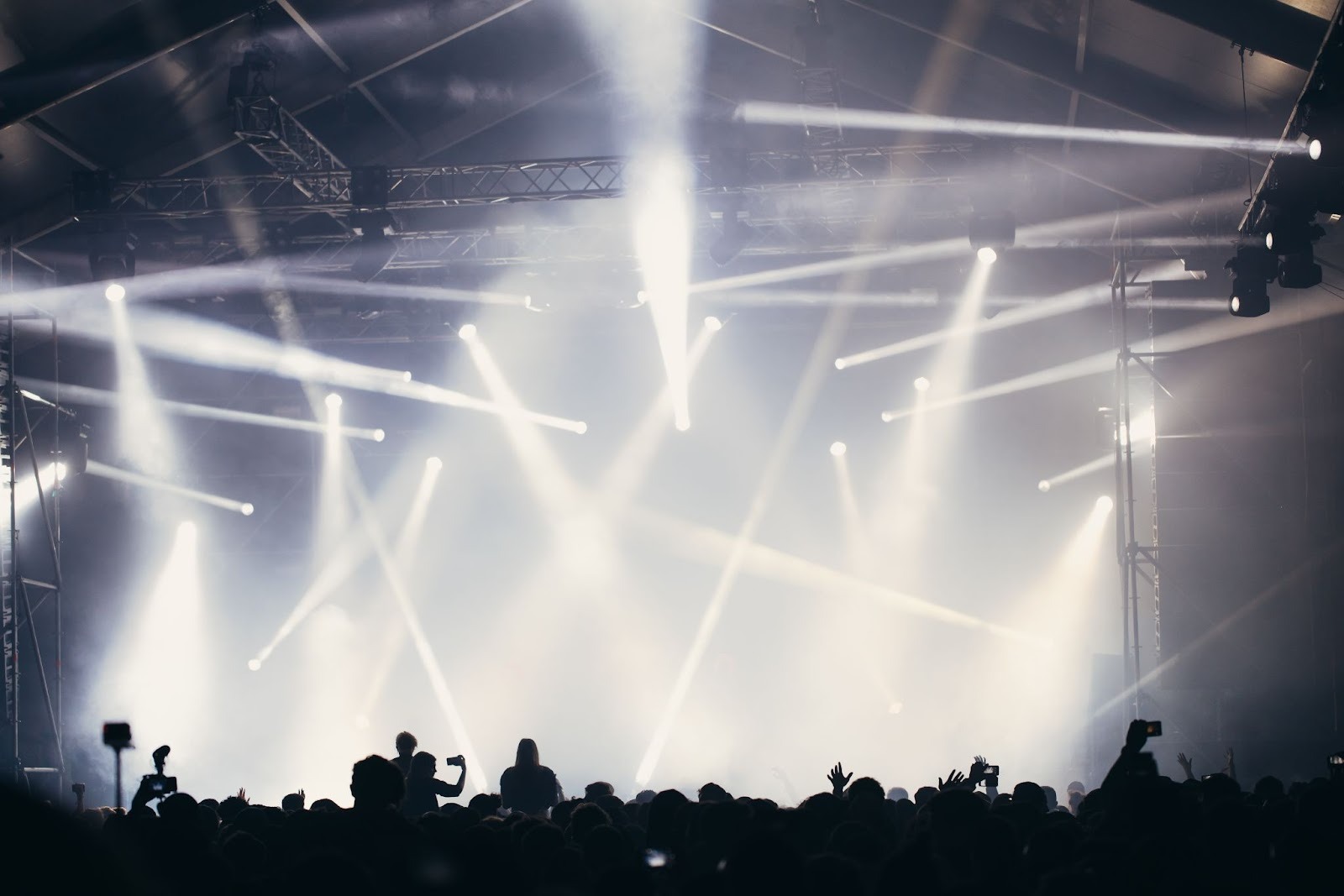
Live music events have become a staple of modern entertainment, drawing audiences from diverse backgrounds, each with unique tastes and preferences. As we delve into the world of live music, it’s essential to understand how these events vary across different genres. From rock concerts to jazz festivals, each genre offers a distinct atmosphere, a unique audience experience, and an array of performance styles that keep fans coming back for more.
In this article, we will explore how live music events differ by genre, providing insights into what makes each experience unique. We will examine specific genres such as rock, pop, jazz, electronic, country, and classical, highlighting the characteristics that set them apart. Furthermore, we will incorporate real-life examples, expert insights, and research-backed data to enrich our narrative, ensuring a comprehensive understanding of the vibrant world of live music event genres.
The Essence of Genre
Music genres are defined by their unique characteristics, including rhythm, melody, and cultural influences. These distinctions significantly impact how live music events are organized, marketed, and experienced. When people attend a live music event, they are not just looking for entertainment; they are seeking a connection to the music and to one another.
Understanding the essence of different genres is crucial for both artists and audience members. Each genre encapsulates a specific culture and set of values, influencing everything from the performance style to the audience’s behavior. This leads to varied experiences that resonate differently with attendees.
Rock: The Energy of the Crowd
Rock music events are known for their high energy and electric atmosphere. From the moment the lights dim and the first chord is struck, the audience is enveloped in a wave of excitement. Major rock festivals like Coachella and Glastonbury attract thousands of fans, all eager to experience the raw power of live rock music.
The interactive nature of rock concerts often encourages audience participation, whether through singing along, dancing, or even crowd surfing. This communal experience creates a sense of belonging among fans, making rock music events a memorable occasion. For instance, at the famous Woodstock festival in 1969, the combination of music and the spirit of peace and love created an iconic moment in music history that continues to influence rock concerts today.
Pop: The Spectacle of Performance
Pop music events are characterized by their theatricality and production value. Artists like Taylor Swift and Beyoncé create elaborate stage designs, choreographed dances, and stunning visual effects that enhance the live performance. These events are often meticulously planned to provide a multi-sensory experience for the audience.
Pop concerts tend to attract a younger demographic, with fans often dressing in trendy outfits and sharing their experiences on social media. The social aspect of pop events is significant; many fans attend these concerts not just for the music, but to connect with friends and share their love for the artist. For example, Taylor Swift’s “Reputation Stadium Tour” was not just a musical journey; it was a cultural phenomenon that created a sense of community among her fans.
Jazz: The Intimacy of Live Performance
Jazz music events offer a contrasting experience, focusing on musicianship and improvisation. Jazz concerts often take place in smaller venues, creating an intimate atmosphere where the audience can engage with the performers on a personal level. The emphasis on live improvisation means that no two performances are ever the same, making each event a unique experience.
Venues like the Blue Note in New York City are renowned for hosting legendary jazz musicians. The close proximity to the stage allows audience members to witness the nuances of the musicians’ performances, fostering a deeper appreciation for the art form. The legendary jazz musician Miles Davis once said, “It’s not the notes you play, it’s the notes you don’t play.” This sentiment embodies the essence of jazz concerts, where silence and space are just as important as the music itself.
Electronic: The Immersive Experience
Electronic music events have surged in popularity over the past decade, characterized by their immersive experiences and cutting-edge technology. Festivals like Tomorrowland and Ultra Music Festival draw massive crowds who come to dance and lose themselves in the beat. The experience is enhanced by impressive light shows, visual displays, and often, elaborate stage designs that create a captivating environment.
The communal nature of electronic music events is significant, as fans connect through the shared experience of dancing and celebrating the music. The DJ’s ability to read the crowd and build energy throughout the night creates a dynamic atmosphere, where every moment is unpredictable. This fluidity is a hallmark of electronic music events, where the audience becomes an integral part of the performance.
Country: The Storytelling Tradition
Country music events are deeply rooted in storytelling and cultural identity. Artists like Luke Bryan and Carrie Underwood often engage with their audience through narrative-driven songs that reflect personal experiences and regional traditions. Country concerts typically take place in outdoor venues or festivals, fostering a sense of community among fans.
The atmosphere at country music events is often friendly and relaxed, encouraging audience interaction through sing-alongs and line dancing. Festivals such as the CMA Music Festival in Nashville celebrate this sense of community, where fans and artists come together to share their love for country music. The storytelling aspect of country music allows artists to connect with their audience on a personal level, making each performance feel intimate and meaningful.
Classical: The Elegance of the Performance
Classical music events offer a different experience, focusing on sophistication and artistry. Orchestras and chamber ensembles perform in grand venues, where the acoustics are designed to enhance the beauty of the music. Events such as the BBC Proms in London showcase the richness of classical music, drawing audiences who appreciate the technical skill and emotional depth of the performances.
The formality of classical concerts often encourages a more reserved audience behavior, with attendees dressed in elegant attire and maintaining a respectful silence during the performance. The experience is one of appreciation for the artistry and craftsmanship of the musicians. Classical music events emphasize the importance of tradition, with many performances featuring timeless compositions from legendary composers like Beethoven and Mozart.
Comparing Audience Experiences
The differences in live music event genres translate directly to the audience’s experience. For instance, a rock concert may feel chaotic and exhilarating, while a classical concert may evoke feelings of calm and reflection. Understanding these differences can help attendees choose events that resonate with their personal preferences.
Moreover, the social dynamics at play also differ by genre. Rock and pop concerts often encourage active audience participation, while jazz and classical events may foster a more contemplative atmosphere. The contrast in energy levels and engagement styles creates diverse experiences that cater to various tastes and moods.
The Role of Venue
Venue selection plays a crucial role in shaping the live music experience. Smaller venues, such as jazz clubs or intimate theaters, allow for a closer connection between the audience and performers. In contrast, large festivals and arenas create a sense of grandiosity, often accompanied by elaborate production elements.
For example, the iconic Red Rocks Amphitheatre in Colorado is renowned for its stunning natural surroundings and acoustics, making it a popular destination for artists across genres. The venue itself enhances the overall experience, regardless of the music genre being performed.
The Influence of Technology
In recent years, technology has transformed the live music landscape. From advanced sound systems to elaborate visual displays, technology enhances the audience’s experience across all genres. Live streaming has also gained traction, allowing fans to participate in events remotely, broadening accessibility and engagement.
Many artists now leverage social media to connect with fans before, during, and after events. This digital engagement fosters a sense of community and anticipation, enhancing the overall experience for attendees. For instance, artists often share behind-the-scenes content, building excitement and allowing fans to feel involved in the journey.
Expert Insights and Research
Industry experts emphasize the importance of understanding audience preferences when planning live music events. According to a study by the National Endowment for the Arts, live music attendance has increased significantly in recent years, with a growing interest in diverse genres. This trend highlights the need for event organizers to cater to varied tastes and create inclusive experiences.
Additionally, research from Eventbrite shows that 78% of millennials prefer attending live events over traditional forms of entertainment, indicating a shift in consumer behavior. This demographic is more likely to seek out unique and immersive experiences, further driving the demand for genre-specific events.
Conclusion
In summary, live music events differ significantly by genre, each offering a unique atmosphere, audience experience, and cultural significance. From the high-energy environment of rock concerts to the intimate setting of jazz performances, the diversity of live music genres creates a rich tapestry of experiences for fans to explore. Understanding these differences enhances the appreciation of live music and encourages attendees to seek out events that resonate with their personal preferences.
As the music industry continues to evolve, so too will live music events. The fusion of technology, changing audience demographics, and cultural influences will shape the future of live music, ensuring that each genre continues to provide unique and memorable experiences.
FAQs
What are the main differences between live music genres?
Live music genres differ in audience interaction, performance style, and atmosphere. Rock is energetic, while jazz is intimate, and pop is theatrical.
How do venue types affect live music events?
Smaller venues create intimacy, while large arenas enhance spectacle. Venue choice influences audience engagement and overall experience.
Why is technology important for live music events?
Technology enhances sound and visuals, creating immersive experiences. It also allows for live streaming, broadening accessibility and audience engagement.